Cat 793 XE Battery-Electric Haul Truck Trial Launches in Pilbara — What It Means for Mining Electrification
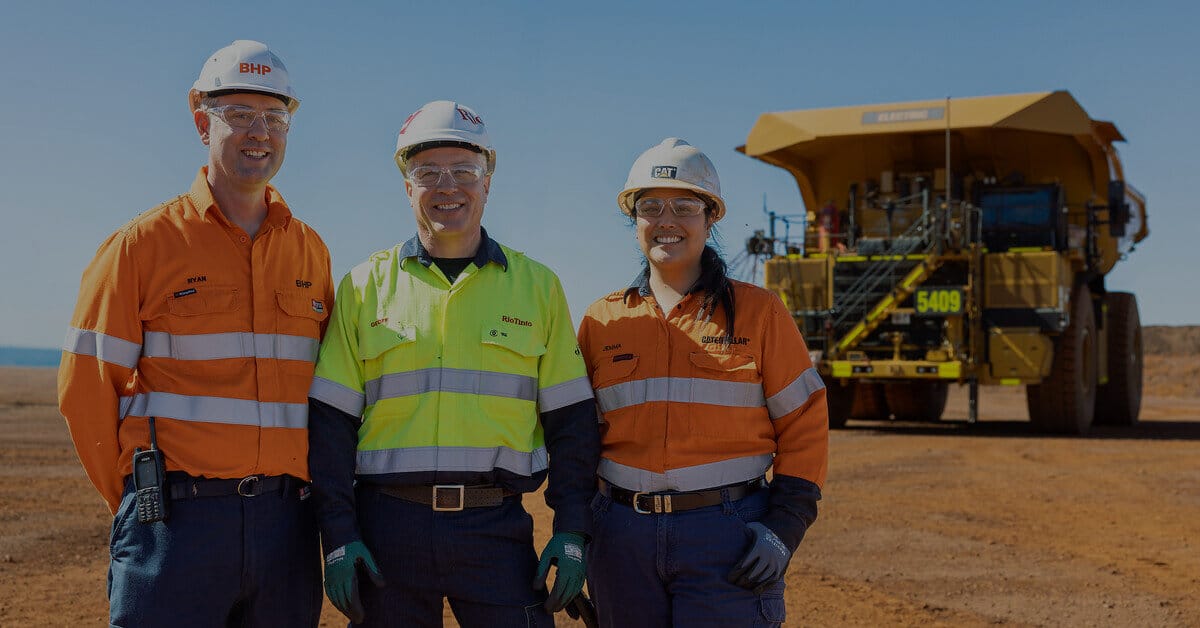
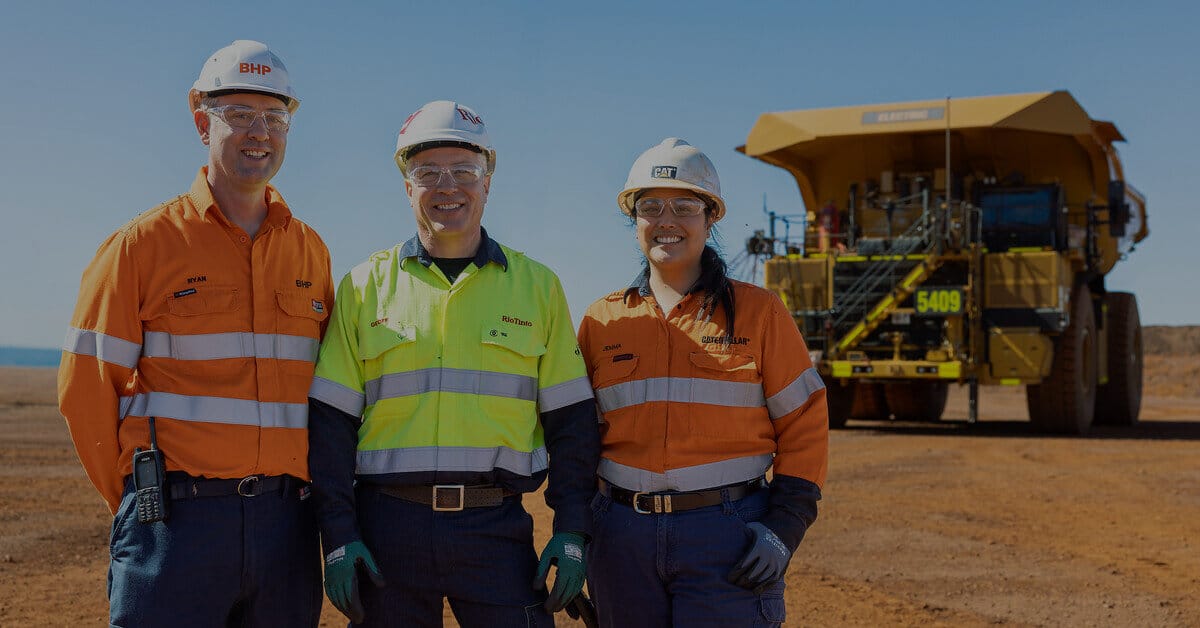
BHP, Rio Tinto and Caterpillar have kicked off what is being called an industry-first collaboration to test battery-electric haul truck technology at a working iron ore mine in Western Australia's Pilbara region. With over 100 operating hours already logged and dynamic charging on the horizon, the trial offers a real-world glimpse into the future of zero-emission mining haulage.
The Pilbara is one of the most demanding mining environments on the planet — extreme heat, vast distances, and massive payloads that push equipment to its limits every shift. It is precisely this intensity that makes it the ideal proving ground for the next generation of mining trucks.
Two Cat® 793 XE Early Learner battery-electric haul trucks are now operational at BHP's Jimblebar iron ore mine, having arrived on site late last year after extensive safety validation and controlled testing at Caterpillar's Tucson Proving Ground in Arizona. They are two of just seven Early Learner trucks Caterpillar has deployed globally as part of its accelerated electrification programme.
Early Results: 100+ Hours and 200+ Test Laps
The early phase of the trial has already generated meaningful data. The trucks have completed more than 100 hours of operation and over 200 test laps, validating key assumptions around safety, technology readiness, and maintenance requirements.
"We're working side by side in the Pilbara's demanding environment to validate battery-electric trucks and charging infrastructure in the exact conditions our customers face," said Thad Litkenhus, Caterpillar's Vice President of Product Management for Resource Industries. "What matters is how we translate what we're learning into better outcomes — from improved energy efficiency to supporting lower emissions and more reliable performance at site."
For BHP, the trial is a critical piece of its decarbonisation strategy. The company has committed to at least a 30% reduction in operational greenhouse gas emissions by FY2030 against FY2020 levels. Geraldine Slattery, BHP President Australia, noted that the collaboration is helping the company "advance the technology we need and improve our understanding of how to scale across our operations."
The Dynamic Charging Frontier
Perhaps the most technically significant aspect of the trial is the planned next phase: dynamic charging. Caterpillar is developing an innovative energy transfer system that can charge the trucks while they are in motion, a capability widely seen as one of the keys to unlocking operational efficiency in battery-electric mining haulage.
Haul trucks in open-pit mining typically operate on long, repetitive cycles — laden uphill from the pit, empty downhill back. Static charging at the loading or dumping point can work, but dynamic charging on the haul road itself could dramatically reduce downtime and enable near-continuous operation.
Rio Tinto, which joined the collaboration alongside BHP and Caterpillar, sees the potential clearly. "Decarbonising haulage across the Pilbara is a complex challenge that is going to require collaboration across industry to solve," said Matthew Holcz, Rio Tinto Iron Ore Chief Executive. "This trial will give us real-world data in some of the most demanding operating conditions on earth."
Why This Trial Matters
The significance of this project extends beyond the three companies involved. The Pilbara is home to some of the largest and most capital-intensive mining operations globally, and the truck fleet — dominated by ultra-class haulers in the 200–400 tonne payload range — accounts for a substantial share of on-site diesel consumption and emissions.
If battery-electric haul trucks can prove their operational viability here, the path to commercial deployment becomes considerably clearer. The collaboration structure itself is instructive: rather than each miner running its own independent pilot with different OEMs, BHP and Rio Tinto are pooling resources with Caterpillar and its Western Australian dealer WesTrac to tackle the infrastructure and integration challenges together.
Western Australian Premier Roger Cook threw his government's weight behind the initiative, stating that the trucks "will help deliver my government's vision of reducing emissions in the Pilbara so this region can continue keeping both the WA and national economy strong."
The next phase of the trial — with dynamic charging at the centre — will be the one to watch. If it delivers, the Cat 793 XE could become the blueprint for how the mining industry transitions its heaviest assets away from diesel, one haul cycle at a time.