Detroit's Big Two Take on the Pentagon: Ford and GM Battle for Military Vehicle Contracts
For the first time in decades, both of Detroit's Big Three automakers are actively pursuing large-scale military vehicle contracts — and the Pentagon is welcoming them with open arms.
General Motors established GM Defense as a dedicated subsidiary in 2017, and has since secured a foothold with the US Army's Infantry Squad Vehicle (ISV) program. Now Ford is entering the fray, pitching its commercial pickup trucks as ready-made military solutions. The competition marks a significant shift in how the US Department of Defense approaches vehicle procurement.
GM Defense: The Established Contender
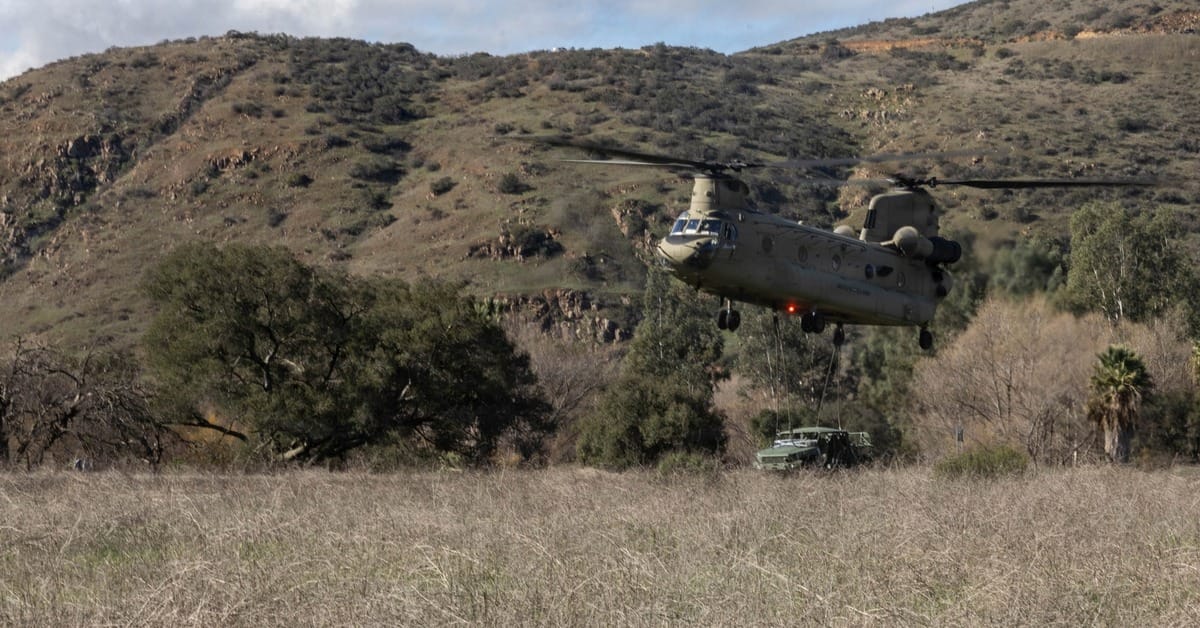
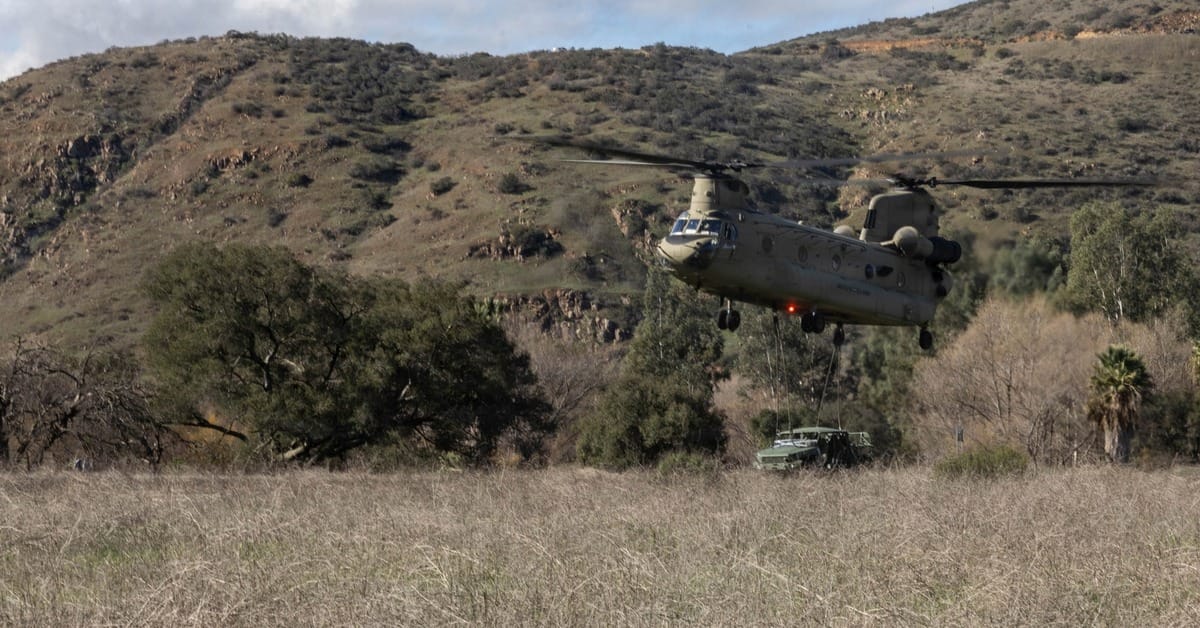
GM Defense already has a proven track record. The company's Infantry Squad Vehicle — based on the Chevrolet Colorado ZR2 — won a US Army contract worth approximately $458.4 million at full scale, with a firm-fixed-price award of $18.8 million for 121 vehicles delivered through April 2027. The ISV carries nine soldiers, is air-transportable by C-130, CH-47 Chinook, and UH-60 Black Hawk, and entered full-rate production in April 2023.
Beyond the US market, GM Defense is competing for the UK Ministry of Defence's Land Mobility Programme (LMP) — a £2.2 billion effort over ten years to replace aging Land Rovers, Pinzgauers, and heavy protected platforms like Mastiff and Ridgeback. Through Team LionStrike, a collaboration with BAE Systems and NP Aerospace, GM is offering the ISV for light mobility, the Chevrolet Silverado LD for light protected mobility, and the Silverado Heavy Duty for medium protected mobility. Initial Operational Capability is planned for 2029–2030. The UK decision is expected in October 2026, with Jaguar Land Rover and the Ricardo/General Dynamics team as key rivals.
GM is also exploring battery-electric field power generation for the US Marines, leveraging its Ultium Cells joint venture — a concept that could reduce the logistical burden of diesel fuel transport in forward operating bases.
Ford: The Newcomer with a COTS Strategy
Ford entered the defense discussion publicly in May 2026, but the groundwork was laid earlier. CEO Jim Farley revealed on the company's May 4 earnings call that Ford was "in early discussions with the US government on some defense-related projects."
On May 18, Ford published an official blog post stating that it was in talks with North American and European governments about supplying F-Series, Ranger, and Super Duty trucks for military use. Ford Europe president Jim Baumbick said: "European governments are increasingly looking for off-the-shelf vehicles. The Ranger Super Duty is the right vehicle for the job — available at scale, straight from our factory."
Ford's core argument is speed and cost. "Traditional, purpose-built military hardware takes years to develop and costs billions," the company wrote. "By using commercial, off-the-shelf solutions from Ford, governments can access world-class technology at a fraction of the time and cost."
The Ranger Super Duty — developed and tested in Australia with a reinforced chassis, 3.0-litre turbo-diesel V6 producing 600 Nm of torque, and a 4 mm armour-plated long-range fuel tank — is a natural candidate for military roles. Ford also highlights its Pro Power Onboard integrated generator, which turns any Ford truck into a mobile power station — a capability traditional military vehicles often lack.
Pentagon's Open Door
The push from Detroit aligns with a strategic shift at the Pentagon. Army Secretary Dan Driscoll has been explicit about wanting non-traditional defense suppliers in the game. In a February 2026 Bloomberg interview, Driscoll asked: "Can you go get GM? Can you get the Fords? Can you get a lot of American companies that are incredibly strong to come back to the defense space?"
The Army has already demonstrated this openness — Salesforce landed a $5.6 billion deal — and the message to traditional contractors like Oshkosh Defense and AM General is clear: the procurement landscape is changing.
Two Strategies, One Goal
While both automakers leverage commercial technology, their approaches differ. GM Defense positions itself as a full defense supplier with dedicated engineering, integration, and long-term sustainment capabilities. As GM spokesman Jim Cain put it: "We're looking to build a true defense global supplier relationship."
Ford, by contrast, is betting on its volume and existing dealer network. "It's more about selling pickups," as Morningstar analyst David Whiston described it. "Ford has a lucrative commercial business bigger than GM's, so GM was motivated to find another niche. Now Ford wants the defense business too."
Whether one strategy wins over the other — or whether both find their place in a Pentagon eager for commercial innovation — will become clearer as the UK LMP decision and future US Army programs unfold through 2026 and beyond.