
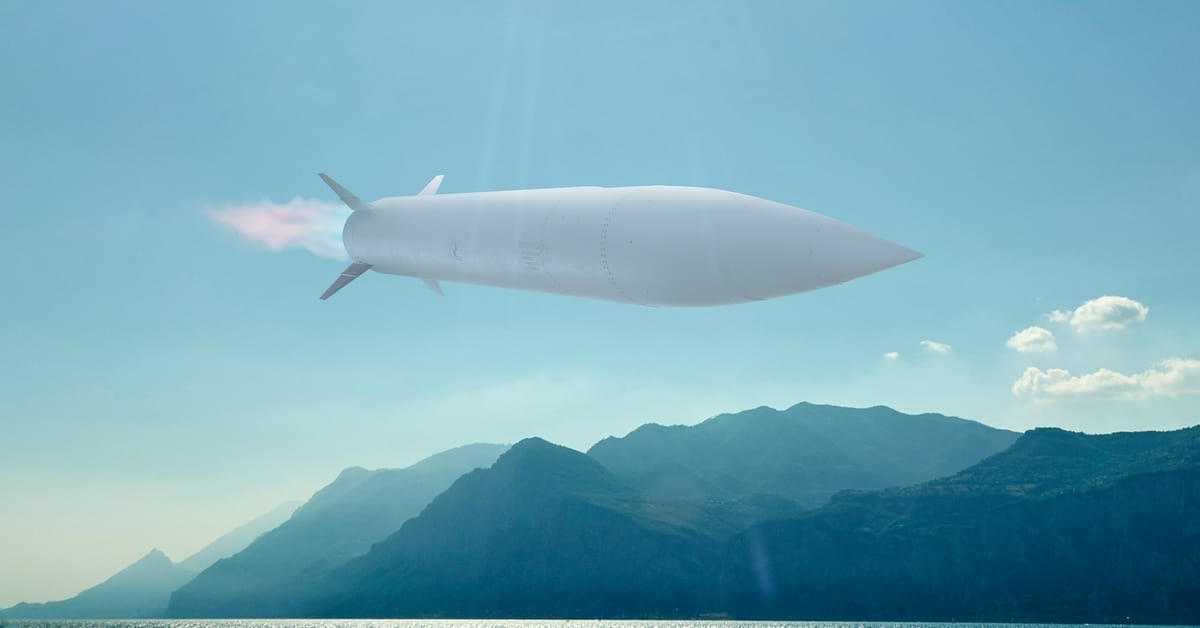
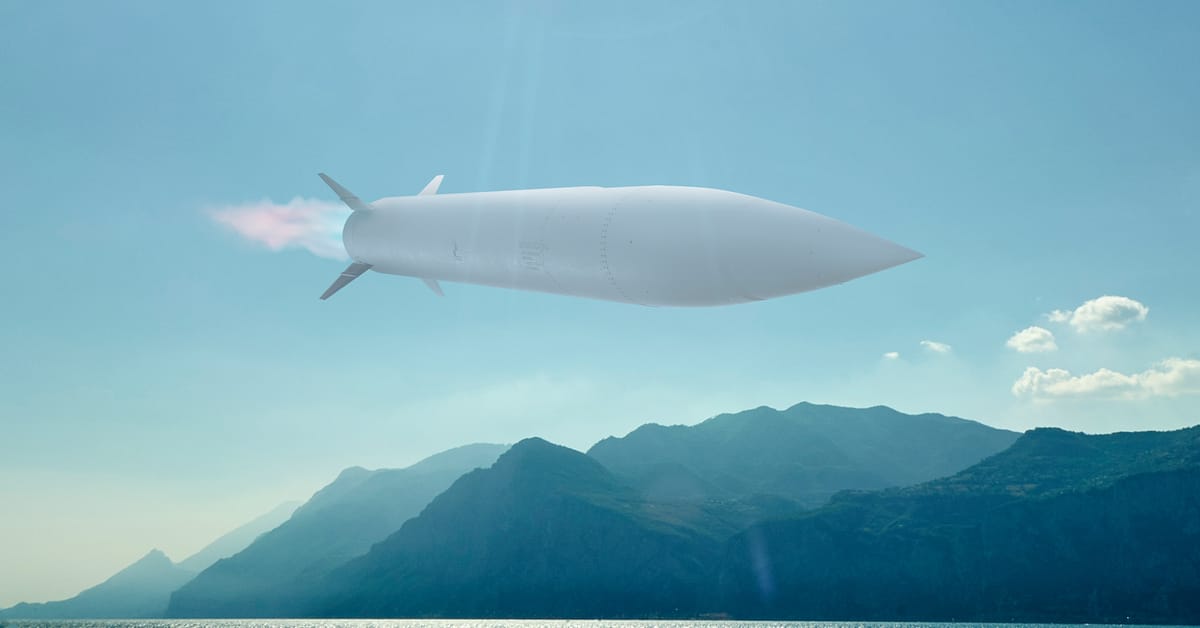
Lockheed Martin Lands $8.4B PrSM Contract Modification, Locks In Production Through 2032
The U.S. Army has awarded Lockheed Martin an $8.4 billion contract modification to expand production of the Precision Strike Missile (PrSM) Increment 1, bringing the total program value to $13.34 billion and securing a manufacturing pipeline extending through September 30, 2032.
The modification (P00007 to contract W31P4Q-25-D-0010), signed June 23, covers increased production of PrSM Increment 1 missiles, procurement of Early Operational Capability assets, follow-on production lots, continued development, and obsolescence management. Work will be performed at Lockheed Martin's Grand Prairie, Texas facility, with the Army Contracting Command at Redstone Arsenal, Alabama administering the deal.
PrSM is the U.S. Army's next-generation long-range precision strike weapon, designed to replace the MGM-140 ATACMS that has served as the service's primary ground-launched ballistic missile since the early 1990s. Fired from M142 HIMARS and M270 MLRS launchers, the missile can engage high-value land targets at ranges exceeding 500 kilometers (310 miles) and fits two rounds per launch pod — doubling magazine capacity over ATACMS without requiring any launcher modifications.
The missile saw its combat debut in March 2026 during Operation Epic Fury, the U.S.-Israeli offensive against Iran. U.S. Central Command confirmed the first operational use, with CENTCOM Commander Admiral Brad Cooper describing PrSM as providing "an unrivaled deep strike capability."
Lockheed Martin is scaling production to approximately 400 missiles annually, supported by a broader company investment of $8 billion to $9 billion through 2030 across more than 20 U.S. facilities. The long-duration contract provides the production certainty needed for workforce planning and supply chain investment, addressing the munitions inventory gaps exposed by high-intensity conflicts in Ukraine and the Middle East.
Increment 2, which will add a maritime strike capability, completed its first flight test from a HIMARS platform in March 2026.
Sources
- ClearanceJobs — Lockheed Martin Wins $8.4 Billion Army Missile Contract Boost — published 23 June 2026
- Defence Blog — US Army's $8.4B contract locks in PrSM production through 2032 — published 24 June 2026
- The Defense Post — Lockheed Martin Wins $8.4B Deal to Expand Precision Strike Missile Production — published 24 June 2026
- ExecutiveBiz — Lockheed Receives $8.4B Army PrSM Production Modification — published 24 June 2026