
Allison Transmission Wins $67.5M Army Award for Abrams Transmissions
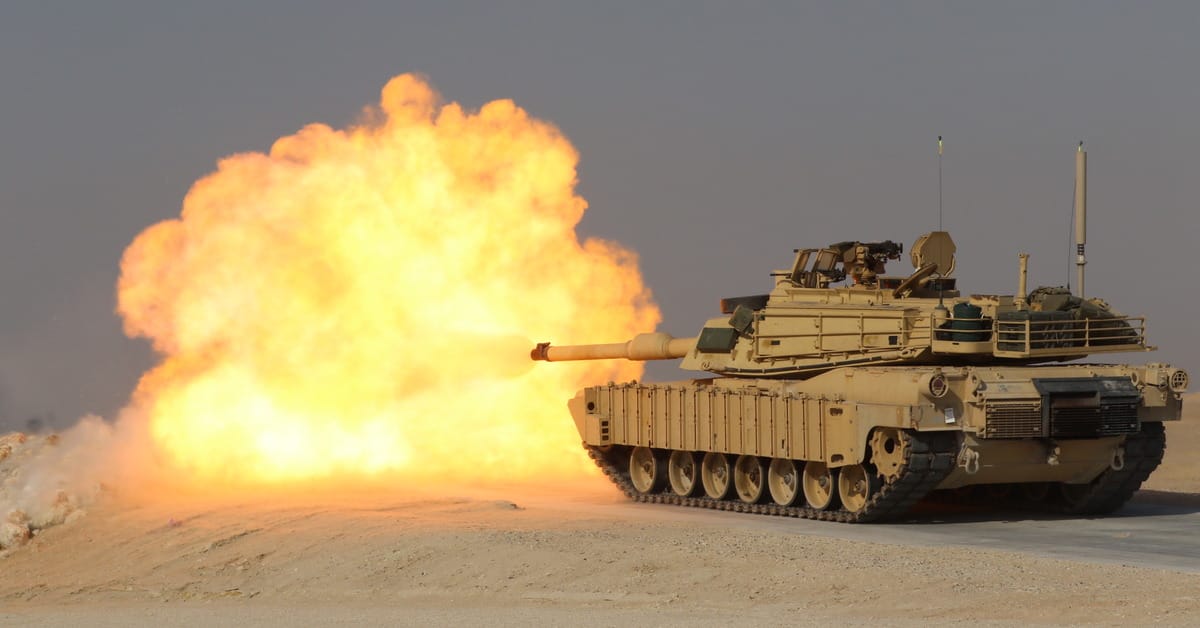
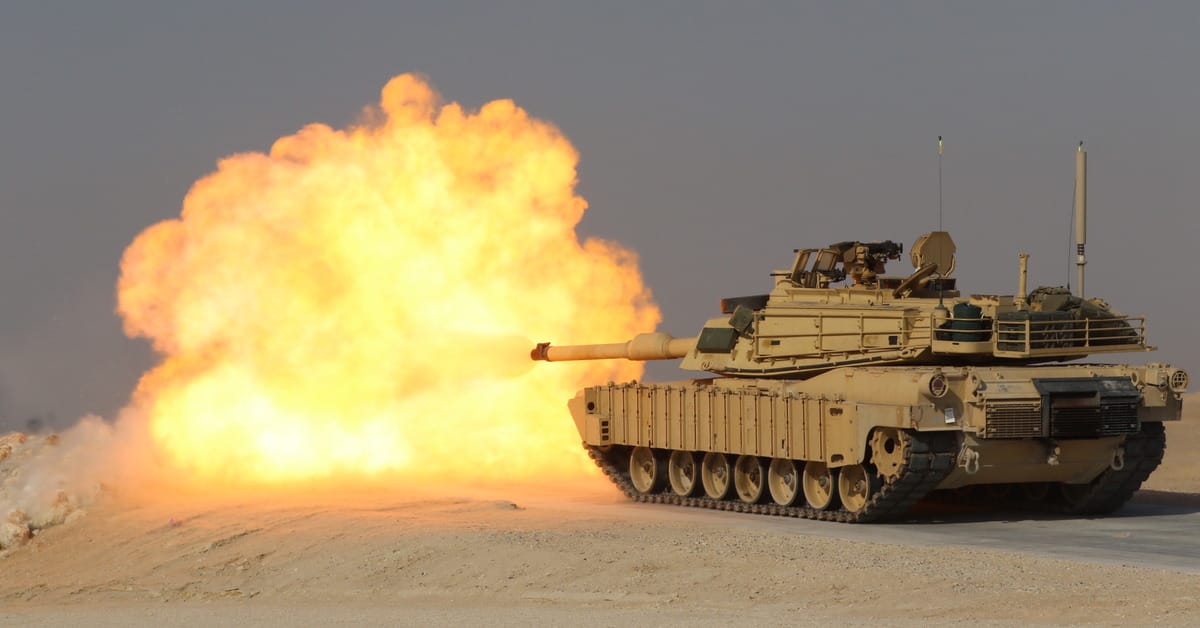
The U.S. Army has awarded Allison Transmission a $67.48 million firm-fixed-price contract to produce new and upgraded X1100 cross-drive transmissions, transmission kits and system technical support services for the Abrams main battle tank, according to the Department of War's contracts announcement for Aug. 5, 2026. The action brings the cumulative face value of the underlying contract to $345.2 million.
What the award covers
Work will be performed at Allison's Indianapolis, Indiana, facility, with Army Contracting Command at Detroit Arsenal, Michigan, as the contracting activity. The Army obligated $90.7 million at the time of award, drawing on fiscal 2026 Army working capital funds, fiscal 2026 and 2024 Army procurement appropriations, and — notably — fiscal 2010 Foreign Military Sales funds tied specifically to Australia and Taiwan.
That 16-year-old funding line illustrates how allied customers finance major weapons programs. International Abrams buyers can lock into purchasing agreements years before production and delivery catch up, drawing funds down gradually as the manufacturer works through a queue of domestic and foreign orders. Australia and Taiwan are both FMS customers of the platform, and their transmission funding flows through the same production line as the Army's.
The X1100: five decades on the Abrams
The transmission at the center of the award has been part of the tank's design since before most of the soldiers currently driving one were born. Allison's X1100 series — a cross-drive design that combines steering, braking and gear-shifting into a single compact unit rather than separate systems — has been standard on the Abrams since production began in 1979, a year before the tank entered U.S. Army service in 1980.
The X1100 is built to handle tracked combat vehicles weighing up to 63,500 kg (140,000 lb), paired with either a diesel or turbine engine generating up to 1,120 kW (1,500 hp). That combination of raw power and precise low-speed maneuverability is a large part of why the Cold War-era design has stayed competitive against newer foreign armor.
Why only one bid came in
The Army solicited bids over the internet and received exactly one — a detail that underscores how thin the global supplier base for heavyweight military drivetrains has become. Allison has held the sole-source position on Abrams transmissions for the tank's entire service life.
Modernization keeps the orders coming
This latest award continues a pattern of near-annual transmission buys as the Army works through successive rounds of Abrams modernization. Allison received an $80.6 million contract in January 2025 covering that year's production cycle, and a separate award in October 2025 pushed the program's cumulative value to roughly $277 million at the time. Much of the recent work has centered on supporting the Abrams System Enhancement Package version 3 (SEP v3), the most heavily upgraded configuration currently fielded. The Army fields SEP v3 through new production and upgrades to existing hulls, pairing fresh transmission hardware with a customer's existing components — an approach the industry sometimes calls a zero-mileage rebuild.
Transmission production and sustainment also touch facilities well beyond Indianapolis. New Abrams hulls are built only at the Joint Systems Manufacturing Center in Lima, Ohio, while Anniston Army Depot in Alabama handles much of the fleet's overhaul and repair work — so transmission kits bought under contracts like this often support sustainment hundreds of miles from where Allison builds the components.
What the notice leaves out
The announcement does not specify how many transmissions or kits this award covers, whether the work is destined primarily for new-build tanks, upgrade kits or a mix of both, or how the Australia and Taiwan funding will be allocated against the broader production run. Those details typically remain confidential business matters between the Army and its contractor.
What is clear is the pattern. The Abrams has now outlasted the Cold War it was built to fight — and for nearly five decades, the job of keeping the tank moving and steerable has run through a transmission built in Indianapolis, quietly upgraded, contract by contract, while the tank around it keeps changing.