
Battery-Electric vs. Hydrogen Trucks: Real-World Study Finds No Single Cost Winner
A new study published Aug. 8, 2026 in Nature Communications concludes that there is no universal winner in the race to replace diesel in heavy-duty trucking. Researchers J. Hoppe, F. Ueckerdt, P. Plötz and colleagues argue that the cost competitiveness of battery-electric and hydrogen fuel-cell trucks depends less on the technology itself than on how a truck is actually used — its annual mileage, trip lengths, payloads and the time available for charging or refuelling.
The paper, "Cost competitiveness of alternative heavy-duty truck technologies under real-world utilisation profiles," compares powertrains through a total-cost-of-ownership (TCO) lens rather than sticker price. That perspective captures energy consumption, maintenance, infrastructure, financing, depreciation and the kilometres a vehicle covers over its working life — and it exposes why headline comparisons mislead. A truck with a higher upfront price can become the cheaper option if it converts energy efficiently and logs high annual mileage; a cheaper vehicle loses its edge if it demands expensive fuel, long downtime or major infrastructure upgrades. In freight, the study stresses, productivity is an economic variable — sometimes the most important one.
Battery-electric: predictable routes, scheduled charging
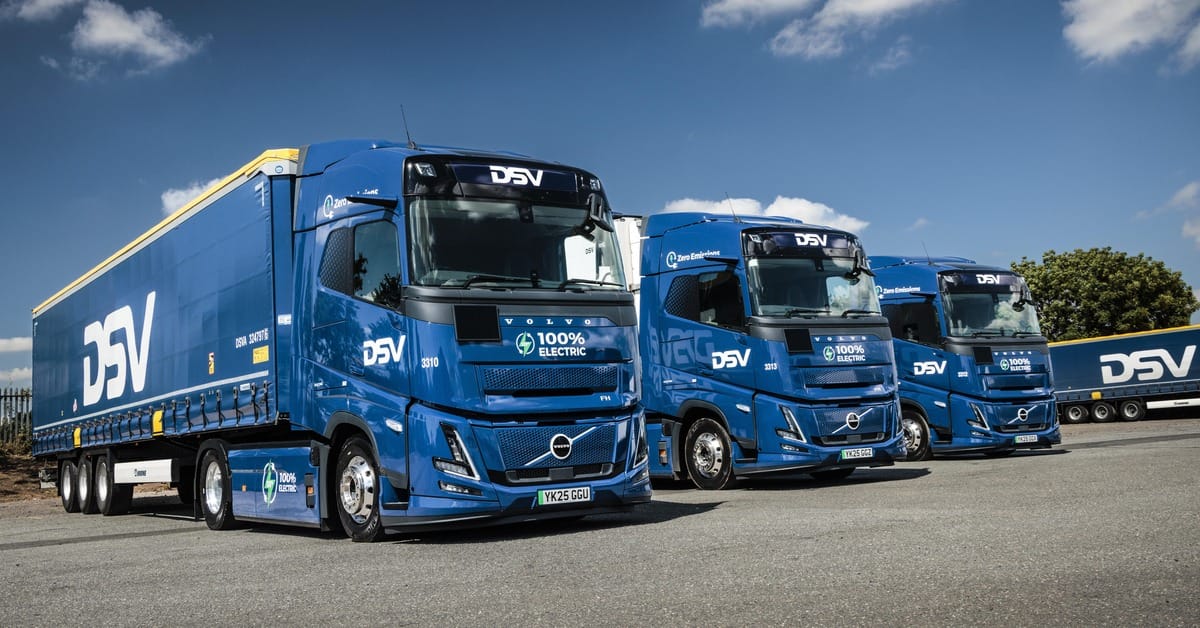
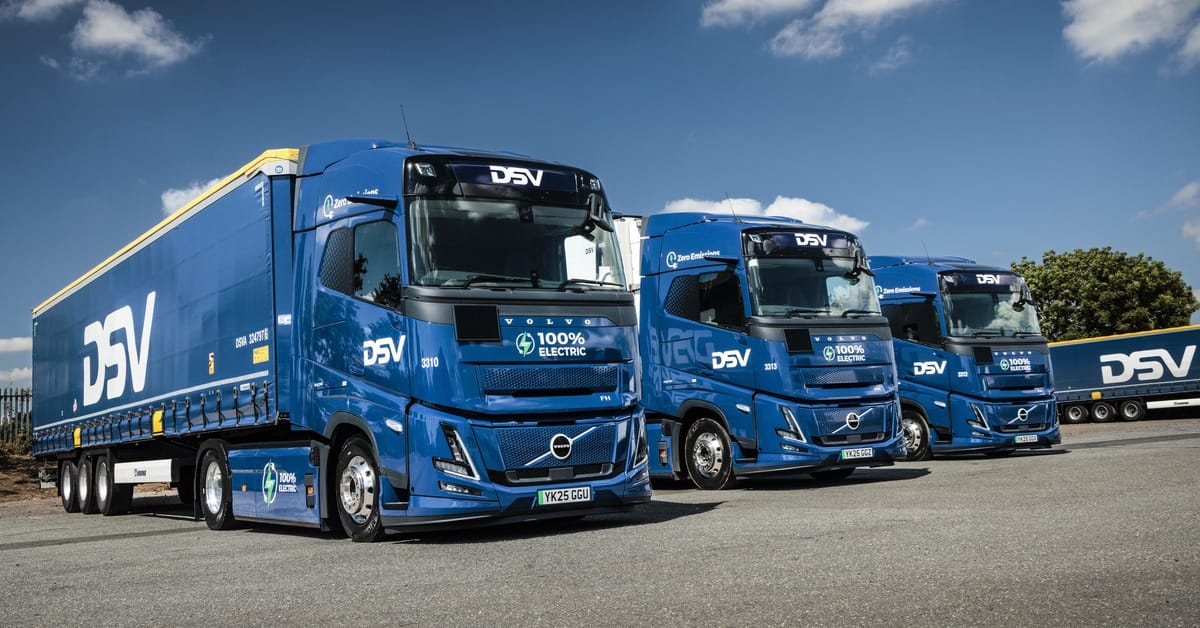
Battery-electric trucks lean on highly efficient drivetrains, falling battery costs and regenerative braking that recovers energy on routes with frequent stops and starts. The abstract finds that, accounting for heterogeneous usage patterns, battery-electric trucks outperform diesel trucks on TCO for most heavy-duty road freight activity in key European markets.
But batteries are heavy, and the mass required for long range eats into payload. Recharging demands grid connections, depot planning and time between trips. For trucks that return to a base nightly, overnight charging can be straightforward; for vehicles running nearly continuously, rapid charging and extra infrastructure become decisive. Battery-electric wins where routes are predictable and charging can be scheduled.
Hydrogen: range and rapid refuelling in long-haul
Hydrogen fuel-cell trucks take a different path: they carry hydrogen and generate electricity onboard, cutting refuelling times and avoiding the range penalty of a large battery. That gives them an edge in long-haul, high-utilisation applications where range and rapid refuelling are critical.
The trade-off is efficiency. Fuel-cell systems are less energy-efficient overall than direct battery-electric pathways because electricity is consumed to produce, compress and deliver hydrogen before the vehicle converts it back to power. The cost and climate impact of hydrogen therefore hinge on how it is produced and supplied — a technically capable truck is not automatically a low-carbon or low-cost one.
Matching technology to mission
The study's central insight challenges the idea that one powertrain will inevitably replace every other. Instead, competitiveness depends on matching technology to mission. A regional distribution truck with predictable daily routes faces a different cost structure than a cross-border long-haul tractor; a vehicle that waits at loading docks may find charging windows, while a truck working back-to-back shifts has none. Fleet averages, the authors note, conceal exactly the operational conditions that decide whether a technology succeeds.
For policymakers, the message is that zero-emission mandates alone may not accelerate adoption if fleets cannot get affordable energy or hold delivery schedules. The results point to coordinated investment in electricity networks, high-power charging corridors and hydrogen supply chains — and to carbon-aware energy planning, since replacing diesel with an emissions-intensive alternative delivers fewer climate benefits than expected.
For the heavy industry and construction sectors covered here, the logic transfers directly: an electric dumper on a fixed mining loop or a predictable urban construction run can exploit scheduled charging, while a long-haul concrete or aggregate operation may need hydrogen's range and fast refuelling. The transition away from diesel is not a single purchase decision but a system redesign of routes, depots, energy contracts and scheduling. Companies that understand their own utilisation profiles can pick early, low-risk electrification opportunities — and avoid investing in technology that does not fit their operation.
Sources
- Hoppe, J., Ueckerdt, F., Plötz, P. et al. "Cost competitiveness of alternative heavy-duty truck technologies under real-world utilisation profiles." Nature Communications (2026) — 8 Aug 2026
- Which Alternative Heavy-Duty Truck Technologies Are Most Cost-Competitive in Real-World Use? — Bioengineer.org — 8 Aug 2026
- Which Alternative Heavy-Duty Truck Technologies Are Most Cost-Competitive in Real-World Use? — Scienmag — 8 Aug 2026