
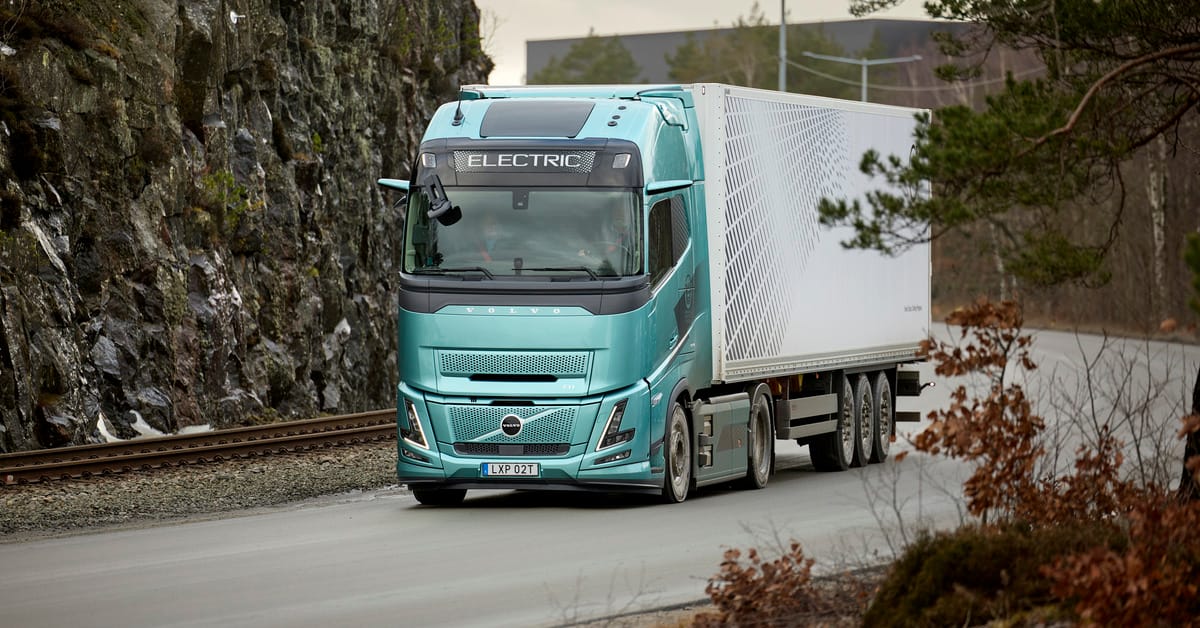
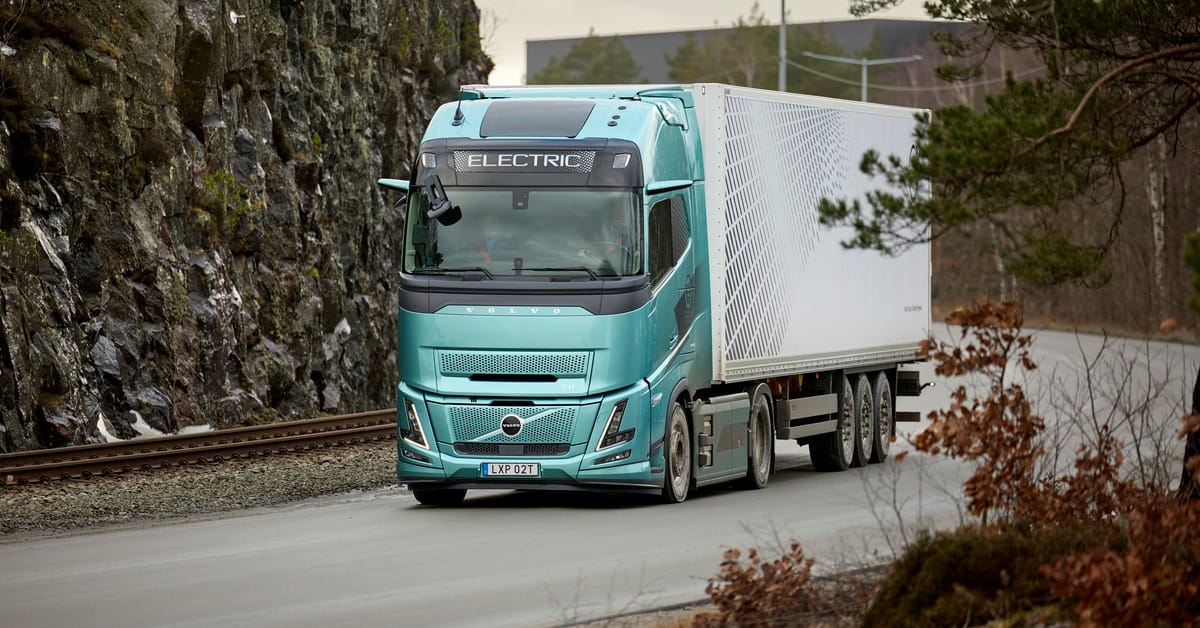
Europe's Electric Truck Registrations Surge 47% in H1 2026 as Market Share Nears 5%
Electric truck registrations across the European Union climbed 47% in the first half of 2026 compared to the same period last year, according to fresh data from the European Automobile Manufacturers' Association (ACEA). While the headline growth figure is impressive, it masks both the modest absolute volumes the market is still working from and a growing infrastructure gap that could stall further acceleration.
The H1 2026 Numbers
ACEA's H1 2026 commercial vehicle registration report, published July 29, shows a broadly healthy market. Total truck registrations across the EU rose 9.8% year-over-year, while the van segment grew a more modest 1.9% and bus registrations jumped 22.7%.
The electric truck sub-segment was the standout performer. Battery-electric trucks saw a 47% year-over-year increase in new registrations, bringing their combined market share close to the 5% threshold for the first time. This marks a significant psychological milestone for an industry segment that, as recently as 2023, was still largely confined to pilot fleets and municipal trial programs.
Yet context matters. Forty-seven percent growth from a small base still represents a modest fraction of the total European heavy-truck fleet. For every electric truck hitting the road, more than twenty diesel equivalents are still being registered. The trajectory, however, is in the right direction.
Drivers of Growth
Several factors are converging to push the electric truck market forward. The EU's tightening CO₂ standards for heavy-duty vehicles are forcing manufacturers and operators alike to accelerate their transition timelines. Expanding low-emission zones in cities such as London, Paris, Berlin, and Stockholm are making diesel access increasingly restricted for urban and regional distribution, where electric trucks are most cost-competitive today.
The total cost of ownership (TCO) argument is also strengthening. Falling battery cell prices — which have dropped roughly 20% year-over-year through mid-2026 — coupled with volatile diesel prices and lower maintenance requirements for electric drivetrains, are making the business case for fleet electrification increasingly compelling. European OEMs including Volvo Trucks, Scania, Mercedes-Benz Trucks, and MAN have all reported strong order intake for their BEV models through the first half of the year.
The Charging Infrastructure Bottleneck
The biggest threat to continued growth is infrastructure — specifically, the lack of heavy-duty charging capable of supporting electric trucks at scale.
While the EU recently crossed 1.1 million public charging points for passenger cars, the network for heavy trucks is a different story. Electric trucks require megawatt-level charging (MCS — Megawatt Charging System) that the current public infrastructure is not designed to deliver. Depot charging for overnight cycles is workable for return-to-base operations, but long-haul freight corridors remain largely unserved.
This chicken-and-egg dynamic is familiar: fleet operators hesitate to commit to electric trucks without charging infrastructure, and infrastructure investors wait for fleet demand to justify capital expenditure. The EU's Alternative Fuels Infrastructure Regulation (AFIR) mandates charging deployment targets, but implementation has been uneven across member states.
Commercial Motor's analysis of the ACEA data notes that while the electric market share edging toward 5% is a significant step, the charging gap must be closed before the industry can credibly target the step-change adoption rates that 2030 decarbonization targets require.
What It Means for Fleet Operators
For fleet managers and operators evaluating their next purchasing cycles, the H1 2026 data offers both encouragement and caution. The technology is proven, OEM competition is driving down prices, and the regulatory direction is unambiguous. However, the practical realities of charging infrastructure, grid connection lead times, and route planning for electric trucks remain significant operational hurdles.
The second half of 2026 will be telling. If charging infrastructure announcements — particularly around MCS corridor deployment and depot charging grants — match the pace of truck sales growth, the 5% market share milestone could be the beginning of an inflection point. If infrastructure continues to lag, even a 47% growth rate will not be enough to bridge the gap to 2030.
Sources
- ACEA: "New commercial vehicle registrations: vans +1.9%, trucks +9.8%, buses +22.7% in H1 2026" — 29 July 2026
- Commercial Motor: "EU truck registrations rebound as electric market share edges towards 5%" — 29 July 2026
- electrive.com: "ACEA reports strong growth for electric trucks and buses in the EU" — 29 July 2026