
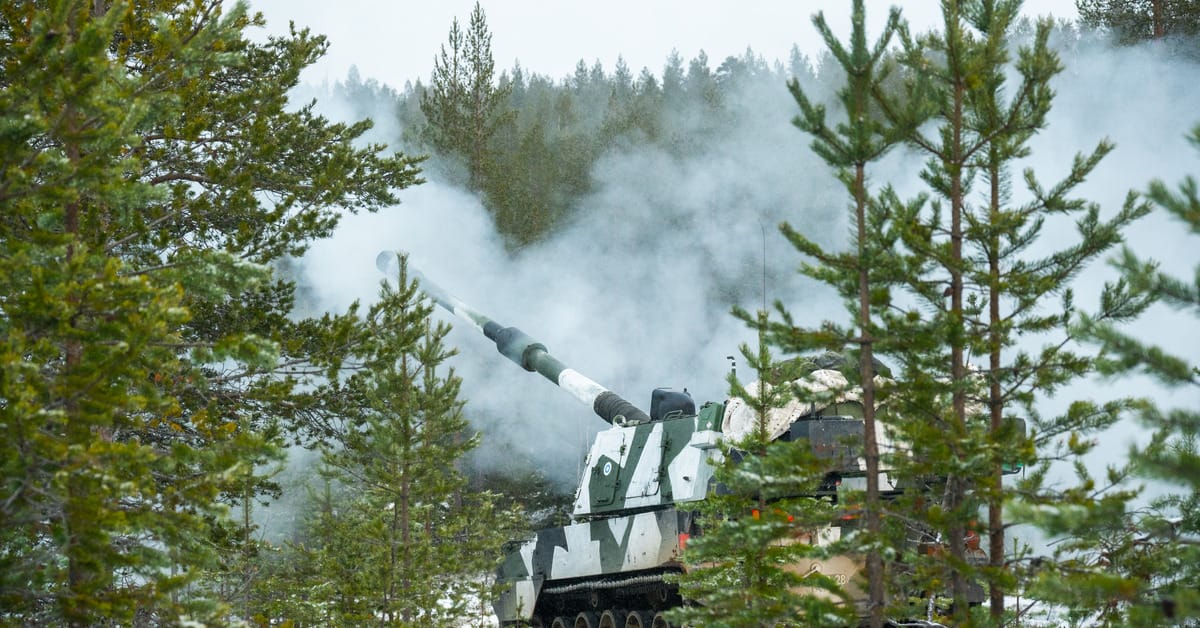
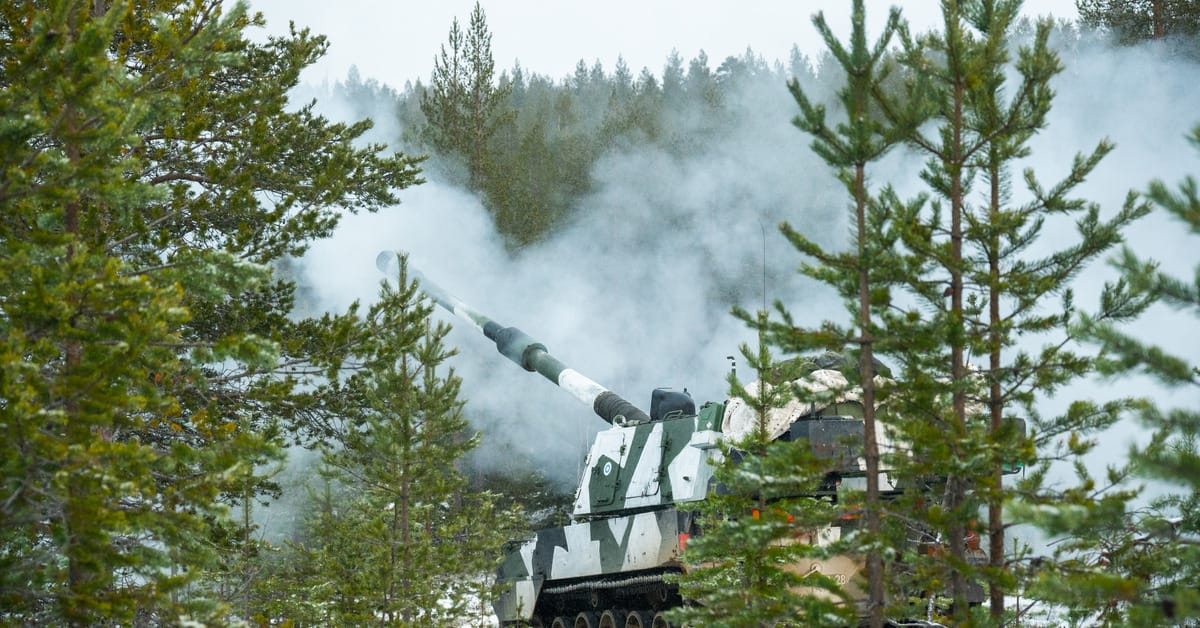
Hanwha K9 Thunder Breaks Into Western Europe With Spain's Indra Deal
South Korea's Hanwha Aerospace has signed an export contract with Spain's Indra Sistemas for the K9 155 mm self-propelled howitzer — the platform's first sale in Western Europe. The deal, disclosed in a Hanwha regulatory filing on 31 August 2026, makes Spain the eleventh country to field the K9, and it is the first Western European customer for a vehicle that has become South Korea's most successful defense export.
Indra Sistemas, Spain's state-linked defense electronics company, is the contracting partner. Hanwha did not disclose the contract's value, the number of units covered or the delivery schedule, citing confidentiality provisions. Payment terms were partially revealed: Indra will pay 20 percent of the contract value immediately after signing, followed by a further 5 percent by the end of the year.
A program built on the March MoU
The contract follows a binding memorandum of understanding the two companies signed in March, under which Indra and Hanwha agreed to jointly develop a new family of tracked artillery vehicles for the Spanish Armed Forces based on the K9 platform. That earlier agreement outlined a program covering 128 tracked artillery vehicles, 120 ammunition resupply vehicles, 21 recovery vehicles and 11 command-and-control vehicles, tied to a Spanish artillery modernization effort with a budget reported at EUR 4.55 billion (USD 5.3 billion).
The industrial split is a central part of the story. Indra will manufacture the vehicle hulls in Spain and retain design authority over them, while integrating its own mission systems, battlefield management software and communications equipment. Hanwha's K9 platform provides the base for the vehicles' long-range indirect fire capability. The arrangement gives Spain a home-grown artillery production line rather than a pure off-the-shelf purchase, and it changes how the K9 program is structured compared with previous exports.
A template for Europe?
Spain's approach differs from how South Korea has typically structured K9 export deals. According to earlier reporting, Madrid sought a deeper form of technology transfer than Hanwha has granted previous customers, including design authority held by a Spanish contractor rather than by Hanwha itself, along with rights to export the resulting system to third countries. Analysts have said the structure of the Spanish deal could serve as a template for how Hanwha negotiates future K9 sales in Europe, including potential follow-on deals with Poland and Romania.
The K9 is a 155 mm tracked self-propelled howitzer with a combat weight of 46.3 tonnes (51 tons), a top road speed of 67 km/h (42 mph) and an operational range of 360 kilometers (224 miles). It has helped make South Korea the second-largest arms supplier to European NATO members, behind only the United States. Spain joins an operator list that already includes Poland, Romania, Turkey, Finland, Estonia, Norway, Australia, India, Egypt and South Korea itself; Romania signed a USD 940 million contract for the system in 2023.
What remains unclear is the shape of the Spanish order itself. Hanwha has not disclosed a delivery timeline for the K9 systems covered by the contract, the specific number of vehicles included, or whether the export approval process in South Korea — a required step before the technology transfer can proceed — has been completed. What is certain is the direction of travel: with the K9 now inside Western Europe and a Spanish hull-production line taking shape, the Thunder has crossed its biggest border yet.
Sources
- Defence Blog: Spain signs K9 howitzer export contract with Hanwha — published 31 Aug 2026
- The Elec: Hanwha Aerospace Signs K9 Howitzer Export Deal With Spain — published 31 Aug 2026